
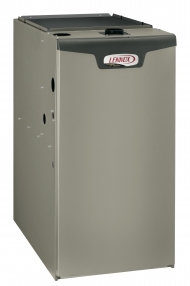
While this is the average installation cost, a replacement specialist will need to examine your home and heating needs to determine the actual cost to install a furnace in your home.
A few of the factors that will affect the cost are:
- Size of the furnace
- The furnace’s fuel type (electric or gas)
- The efficiency level of the system
- The contractor you hire
Want to skip the reading and speak directly to an expert? Our experienced team of replacement specialists can come to your home and help determine exactly how much your furnace installation will cost. Schedule a free estimate today!
Cost Factor #1: Size of the furnace
The larger the “size” of the furnace, the more expensive it will be.
The size of a furnace is measured in British Thermal Units (BTUs). A furnace’s BTU output equates to the amount of heat a furnace can produce in 1 hour.
Furnaces can range anywhere from 40,000 BTUs to 150,000 BTUs; the larger the BTU output (or the “larger” the furnace) the more expensive it will be.
How do I know what size of furnace to buy?
Great question! The best way to determine what size furnace you need is to have a professional conduct a load calculation. During a load calculation, a technician will assess a variety of factors, including:
- Size and layout of your home
- Number, size, and type of windows
- Climate
- Type and quality of insulation
- Number of people living in your home
- And more
Why does it matter what size furnace I buy?
Another great question! Contrary to what you may think, a larger furnace does not mean better or faster heat.
In fact, an oversized furnace will heat your home quickly and then shut off...this is called short cycling. Short cycling causes problems, like:
- Shortened furnace lifespan
- High heating bills
- Uneven heating throughout your home
- Shortened furnace lifespan
- High heating bills
- A home that is never fully heated
Cost Factor #2: Furnace fuel type
There are a few common fuel types for furnaces:
- Natural gas
- Electric
Gas price factors
While gas furnaces are usually more cost-effective when it comes to monthly utility bills, they are more expensive to install than electric furnaces are. This has to do with the additional infrastructure associated with installing a gas furnace, including:
- Venting- Because gas furnaces actually produce gases, they have certain venting requirements that need to be met. If you don’t already have a gas furnace or if you have an outdated venting system, a technician will need to install venting or update existing venting.
- Gas line installation or extension- If you don’t already have a natural gas line, a gas furnace is probably not a cost-effective option for you because installing a gas line is extremely expensive. If your home does have a natural gas line, a plumber may need to add an extension to your gas line, depending on where your gas furnace is going to be installed.
As mentioned above, electric furnaces are less expensive to install than gas furnaces but cost more to operate on a monthly basis. However, electric furnaces can come with additional installation costs, like:
- Electric panel updates- You may need to update your electric panel to support the load of your new furnace... this will increase your installation cost.
- Cosmetic repairs- If wiring needs to be updated or replaced, you may have to pay for some cosmetic fixes, like drywall repairs.
Cost Factor #3: Efficiency level of the system
Furnace efficiency is measured in AFUE or Annual Fuel Utilization Efficiency. The higher the AFUE, the more efficient your furnace is.
The more efficient your furnace is, the more expensive the unit is on the front end, but you’ll likely see higher monthly savings on your utility bill.
For example, if you have a furnace with an efficiency level of 90%, that means 90% of the fuel used will be turned into heat and 10% of it will be expelled to the outside of the home through the venting system.
Utility companies often provide valuable rebates to homeowners when they upgrade their furnace to 95% efficiency. Many times, this rebate is the net price between the higher efficiency and lower efficiency models.
Cost Factor #4: Contractor you hire
The contractor you hire will affect the price of your overall installation cost. The more experienced the installation team and the more warranties and guarantees they offer, the more expensive their rate will likely be.
When looking for a qualified contractor, a few questions to ask are:
1. Are they licensed and insured? You can verify this by…
- Checking for a license number and insurance information on their website
- Checking the Better Business Bureau (all companies listed on the BBB have a verified license and insurance)
- Asking them directly for proof of license and insurance
3. Do they have a good reputation? You can check reviews on sites like: Ready to have your furnace installed by our Michigan pros?
Our team will come to your home for a free, no-obligation estimate to help you determine which furnace is best for you home. Schedule an estimate today!




Follow us on our social networks for special updates and offers!